The Clock at the Back of the Room: How Brighton Pub Gigs Bend Around the Last Train
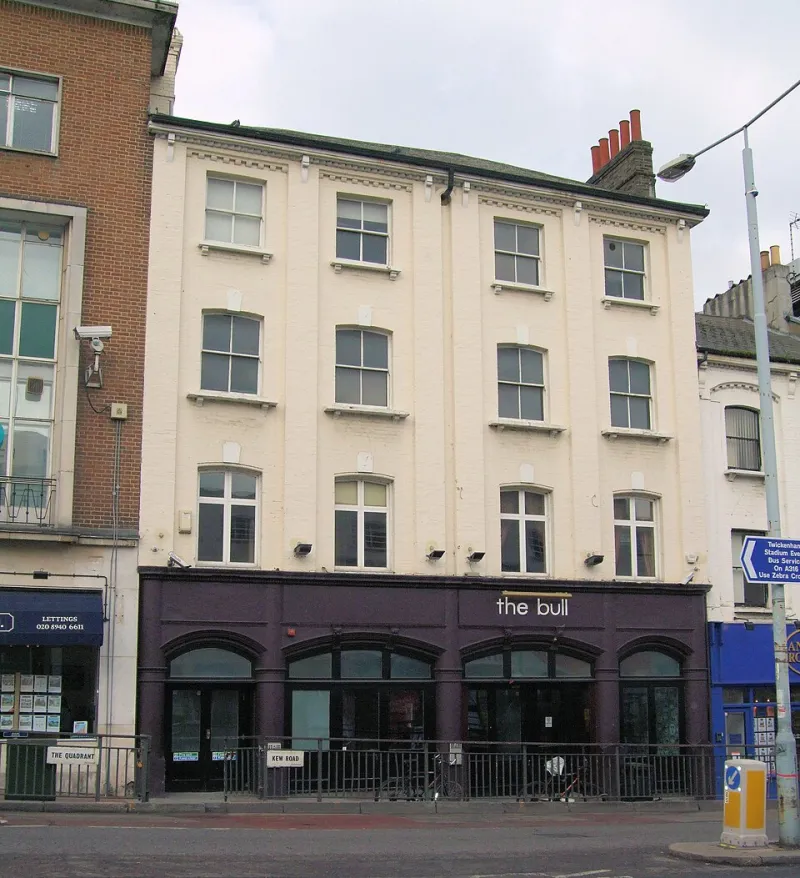
Photo: Jim Linwood from London, CC BY 2.0, via Wikimedia Commons
There is a clock at the back of every Brighton pub gig. You will not see it on the poster. It does not get a soundcheck. But it is there, ticking through the changeover, and it has more say over the running order than most of the people holding a clipboard.
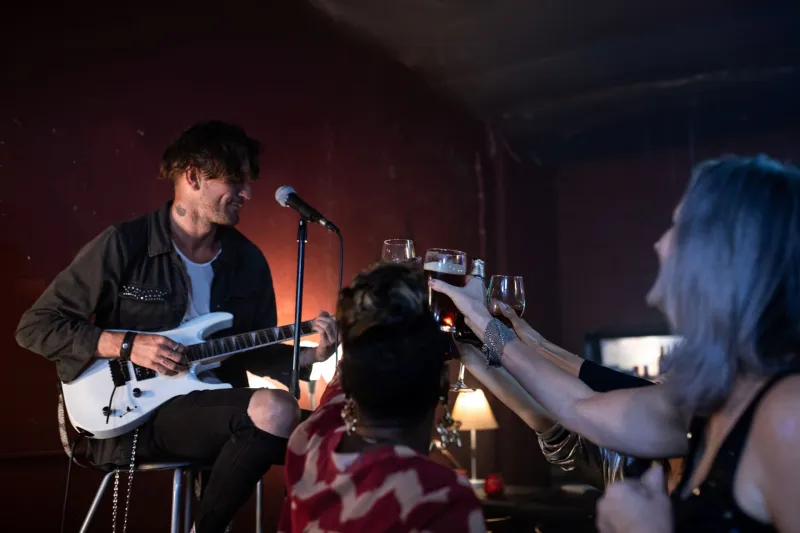
On a wet Friday in November, a small stage above a pub near the seafront fills up slowly. The support band are on at 20:15. The headliner is due at 22:00. The room is warm, the pints are moving, and somewhere near the door a promoter is doing sums that have nothing to do with the door take.
The 22:00 Slot Is a Maths Problem
The headline slot is not chosen because 22:00 sounds cool. It is chosen because the last train leaves at 23:14, and the walk from the seafront to Brighton station is twelve minutes if you stride, fifteen if you are in Kemptown and wearing the wrong shoes.
Work backwards. A headliner plays forty-five minutes. Add a two-song encore and you are at fifty-five. Add the gap between the last chord and the applause dying down, the coat, the loo, the goodbyes. Suddenly the room is emptying at 23:02 and half of it is jogging up Queen's Road.
So the setlist gets built with what one sound engineer calls a train margin. Not a hard curfew, more a gentle agreement that the encore is a decision made at soundcheck, not a surprise at 22:55. One song if the room is slow. Two if the band started on time and the promoter is feeling brave.
You can hear it in the arrangements. Songs get trimmed. A long intro loses thirty seconds. The closer is chosen because it ends clean, not because it builds for seven minutes. It is not a compromise anyone puts on the flyer, but it is why some Brighton gigs feel tighter than their records.
Support Acts and the Half-Empty Room
If the headliner is timed around the last train, the support act is timed around real life. Doors at 19:30. Support at 20:15. That is when people are still finishing work, still finding a parking space in North Laine, still deciding whether to eat first or drink first.
A promoter who runs nights in two seafront rooms says the early slot is the hardest sell. You are asking a room to be full when half of it is still on a bus. The fix is not always musical. Some venues push the support back to 20:30 and shorten the changeover. Some put a plate of chips on the bar and call it a soundcheck supper. Others accept that a support band playing to thirty people is not a failure, it is a Tuesday.
The bands know. The good ones play the room they have, not the room they wanted. They thank the people who came early. They sell a shirt to someone who was going to leave after the headliner anyway.
The Walk to the Station Is Part of the Show
Ask a gig-goer what they remember about a night and they will mention the band, the pint, the chips. Ask them what they were thinking about at 22:40 and they will mention the train.
The walk is not uniform. From a pub on the front near the pier, you can be at the station in twelve minutes if the lights are kind. From a back-street room in the Lanes, it is closer to fifteen, and that is before you factor in the crowd outside the takeaway. Engineers and promoters count it the way they count a guitar change. Some venues have started writing the walk time on the chalkboard next to the set times. It sounds overly practical. It is also the most useful thing on the board.
One regular puts it plainly: the last train is the only reviewer that never misses a gig. It does not care about the encore. It does not care about the merch table. It leaves at 23:14 whether you are on it or not.
Who Actually Gets the 22:00 Slot
Headliners are chosen for draw as much as for sound. A local band with a following that will stay to the end is worth more than a touring act with a great record and a room of people checking their watches. That is not cynicism, it is scheduling. The 22:00 slot needs a band who can hold a room that is already thinking about the walk.
Sometimes the maths flips. A touring band plays support because they have a ferry or a van or a driver who needs to be back. A local headliner takes the later slot because their crowd is not going anywhere. The poster still says headliner, but the timetable tells the truth.
For Locals, the Night After Last Orders
If you do not have a train to catch, the night has a second half. The room thins, the bar gets easier, and the conversation moves from the stage to the corner. This is the part that visitors miss and locals plan around.
Seafront pubs with a late licence are the obvious choice, but the better ones are the rooms that keep the kitchen open past ten and do not rush the last pint. A pub on the front with a chalkboard and a warm corner will beat a sticky-floored late bar every time. The point is not to chase the night. It is to let it settle.
What Good Timing Looks Like
A well-run gig does not hide the timetable. Printed set times at the door. A visible clock behind the bar. A promoter who steps up at 22:50 with a nod rather than a hard cut mid-song. The encore is agreed, not ambushed. The support act gets a full soundcheck and a fair shake. The headliner gets a room that is still there.
It is not glamorous. It is the quiet admin of a good night out. But if you have ever made a train with a minute to spare, or missed one because the band played one more, you already know who is really running the show.
The clock at the back of the room. And the 23:14.