Ladle First, Setlist Later: The Monday Soup Suppers Keeping Brighton's Small Stages Warm
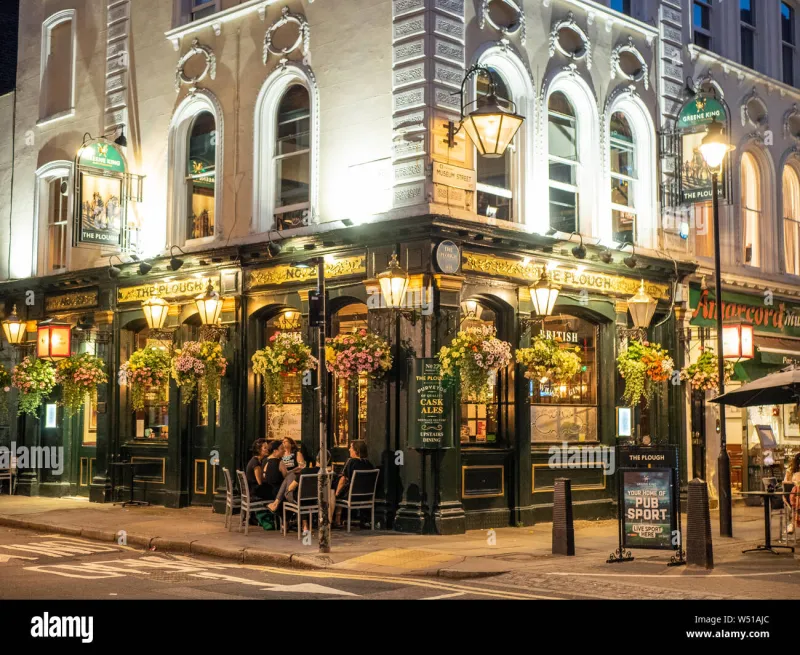
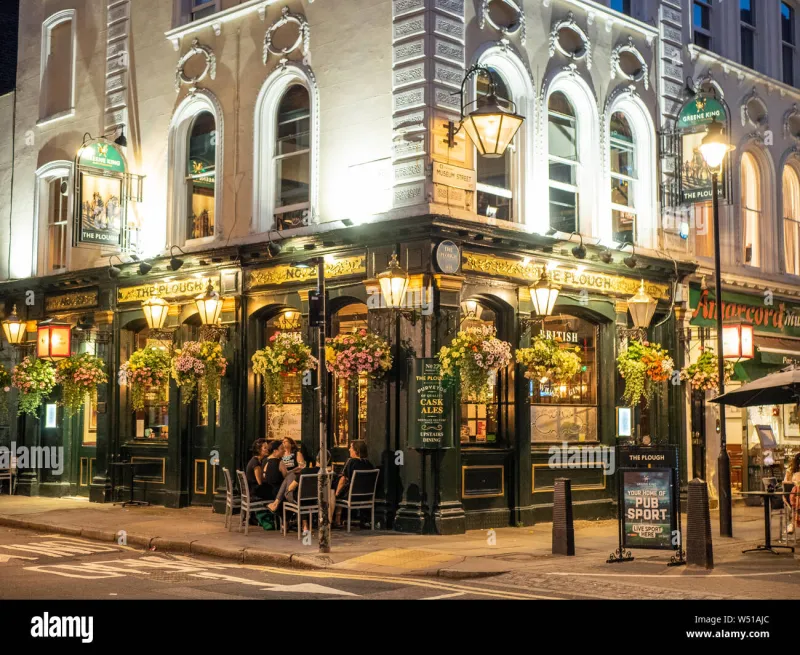
Photo: pub soup supper bread chalkboard community, via c8.alamy.com
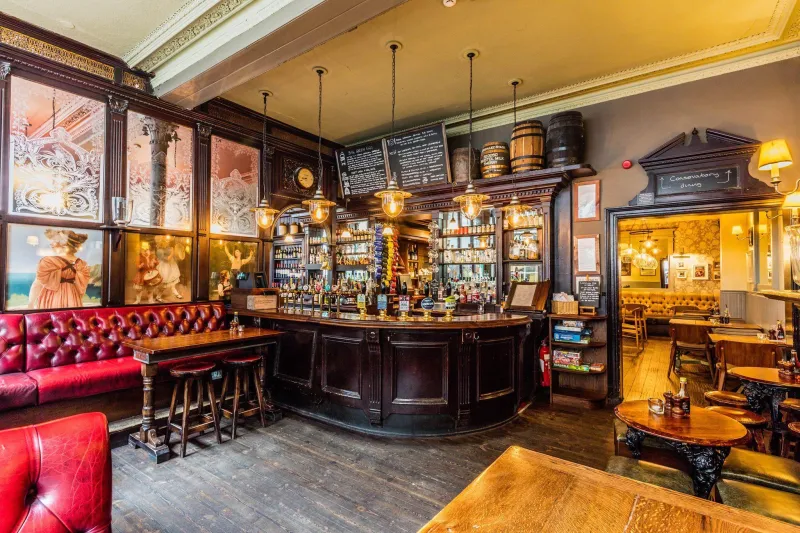
Monday, 6.40pm, and the rain is coming sideways off the seafront. Inside a pub back room somewhere between Preston Circus and the Level, a chalkboard leans against the wall: SOUP £5 SUGGESTED. BREAD INCLUDED. ALL TAKINGS TO THE STAGE FUND. The room smells of leek and potato and wet coats. A ladle clinks against a pot. Nobody is on stage yet, but the stage is very much the point.
This is not a gig night. It is the night that pays for one. Across Brighton, a loose network of pubs has turned the deadest evening of the week into a low-key soup supper. You pay what you can, you get a bowl and some bread, and the money goes towards artist fees, a repair for the PA, new cables, a sound engineer, or the next small-stage night that might otherwise not happen. No booking fee. No QR code. No app asking you to rate your evening.
The quietest night in the week
Mondays are brutal for pubs. The weekend crowd has gone home, the kitchen is often running down stock, and the idea of putting on live music feels like a good way to lose money in public. But that is exactly why soup works. It is cheap to make, forgiving to scale and easy to serve from one pot. A kitchen can use up vegetables that would otherwise be binned, buy a few loaves from a local bakery at end-of-day prices, and turn a gloomy back room into something that feels suspiciously like a living room.
One kitchen lead I spoke to described it as 'prep time with a purpose'. The soup goes on in the afternoon, the bread is sliced, the honesty box comes out, and by half six there is a low hum of people who are not quite sure whether they have come for supper or for a chat. Usually both. The pub gets a few extra pints over the bar. The stage fund gets a top-up. Nobody has to pretend it is a Saturday night.
One pot, one till, one fund
The model is deliberately simple. A suggested price, usually around a fiver, sometimes less. A card reader or a tin. A clear line on the chalkboard explaining where the money goes. Some pubs ring-fence the soup takings completely; others split it between the kitchen and the stage fund so the pot can keep happening. The best ones are transparent about it, because the whole thing relies on trust rather than marketing.
And it adds up. Forty bowls at a fiver is £200 before anyone has bought a drink. That is a support slot, a tank of fuel for a band van, a replacement monitor wedge, or a few hours for a sound engineer who normally works for free. It is not a fortune, but small stages do not need a fortune. They need enough to stop the whole thing feeling like a favour.
What a bowl actually pays for
The soup itself tends to be unfussy: squash and chickpea, kale and bean, leek and potato, whatever the kitchen has going. Vegan by default, because it is easier and cheaper. Bread on the side, maybe butter. Nobody is trying to win a rosette. The point is that it is hot, cheap and available on a night when the pub would otherwise be empty.
Promoters like it because it is unrestricted cash. Door splits and ticket sales are fine in theory, but they come with percentages, fees and the general admin of chasing money. A soup night is different. The money is already in the tin by the time the first act arrives. One promoter told me he used a Monday soup fund to replace a dying PA head unit, then used the next month's takings to pay three acts a flat fee instead of asking them to pass a hat. 'It is not glamorous,' he said. 'But it means the gig happens.'
A handshake, not a booking fee
There is also the social side, which matters more than the arithmetic. A Monday soup night pulls in people who would not necessarily come to a gig: neighbours, older regulars, people who work weekends, parents who have escaped for an hour. They sit near the stage because there is nowhere else to sit. They hear a soundcheck. They stay for the first song. By the time the band starts, the room has a different energy — not a big crowd, but a warm one.
That is the quiet magic of it. The soup is not a gimmick bolted onto live music. It is a low-stakes invitation. Come in from the rain, have a bowl, listen for a bit. You do not have to know the promoter. You do not have to buy a ticket in advance. You do not have to pretend you are having the best night of your life. You just have to turn up.
Why it suits Brighton
Brighton has plenty of small rooms and plenty of people trying to make things happen in them. It also has high rents, a tourist season that swings wildly and a deep local suspicion of anything that feels too slick. A pay-what-you-can soup supper fits the city's pub culture because it is not trying to be a restaurant, a charity or a tech platform. It is a pot, a ladle, a chalkboard and a room above a bar.
You will find variations of it in Hanover, Kemptown, around London Road and in a few seafront pubs that use the quiet months to test new nights. Some are weekly. Some are monthly. Some are advertised on Instagram and some only on the noticeboard by the loo. That is part of the charm. It is not optimised. It is just supper, and it is funding the thing you came for later.
Get a bowl, keep a stage alive
If you want to support Brighton's small stages without opening another ticketing app, this is about as direct as it gets. Check the pub noticeboards. Ask at the bar. Look for the chalkboard with the slightly wonky handwriting. Take a fiver, or whatever you can spare, and eat a bowl of soup on a wet Monday. You might hear a band soundchecking through the wall. You might end up staying for the whole thing. Either way, the ladle has done its job.