Staff Meal, Sharp Knives, Soundcheck: Four O'Clock in a Brighton Pub Kitchen
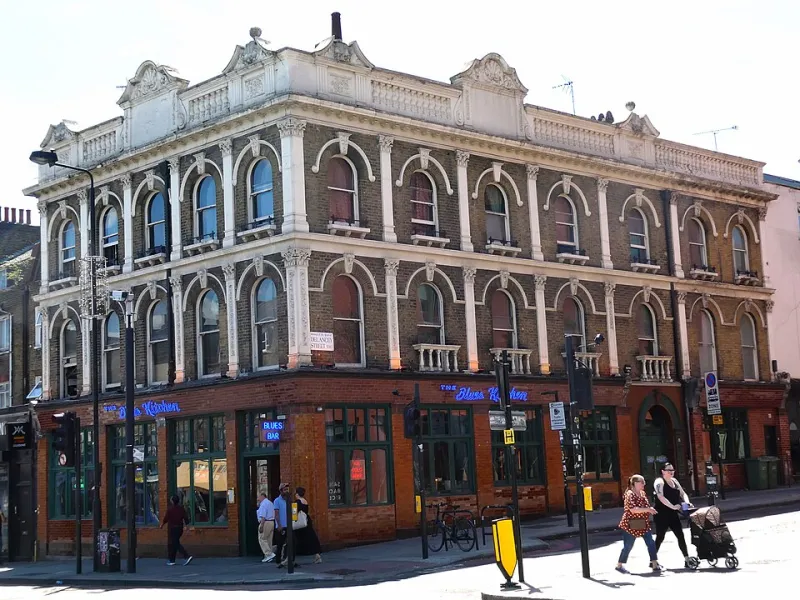
Photo: Ewan-M, CC BY-SA 4.0, via Wikimedia Commons
On a grey Tuesday in November, the seafront does its usual off-season trick: the pier lights are on, the wind is doing its best, and the pubs are warm. At one Brighton pub a few streets back from the promenade, the last lunch ticket comes off the rail at 3.58pm. By 4.02pm the kitchen has changed gear.
The last lunch ticket
Lunch has been fish and chips, a burger or two, soup for the people who believe November is a soup month. Front of house stacks plates. The chef calls the last order. The dishwasher starts its first serious cycle of the afternoon. It looks like the quiet bit. It is not.
The 4pm switchover is a handover between two different pubs occupying the same building. Lunch is bright, quick and mostly daylight. The evening is darker, louder and shaped by whatever is happening in the gig room. Between those two services there is an hour or so when the kitchen has to reset itself without ever actually stopping.
Staff meal is not a break
At about 4.15pm, someone puts a pan on for staff meal. It is rarely glamorous and it is never wasted. On this afternoon it is leftover roast vegetables folded through harissa and yoghurt, with flatbreads warmed in the oven. The trim from lunch service might become fish cakes tomorrow. A pot of dal sits in the corner for anyone who is not eating meat. Staff eat standing up, in shifts, one eye on the pass.
It would be easy to treat staff meal as a nice extra. In a pub kitchen, it is infrastructure. The team has another six or seven hours ahead: prep, service, soundcheck, the rush at doors, the last food orders, the clear-down. A proper meal at 4pm is the difference between a calm service and a ragged one. It is also a practical way to use food that would otherwise be binned, which matters when margins are tight and the menu is built around fresh produce.
Prep for the loud half
By 4.30pm the gig-night menu is taking shape. This is where the kitchen earns its keep. A pub with a stage cannot run the same menu at 8pm on a gig night as it does at 1pm on a Sunday. The menu gets shorter. The dishes get faster. Anything that needs a long ticket time, a lot of plating or a quiet room is quietly pushed to one side.
Tonight that means pies, a smoked haddock chowder, mushroom barley, chips, and a couple of handhelds that can be wrapped and sent. Sauces are batched. Allergen sheets are updated. The fryer schedule is checked against the soundcheck. The kitchen can hear the bass through the wall once the band starts, so the team works out what can be cooked during the loudest half hour and what needs to happen before it.
Food service might run until 9pm. The band might be on at 8.45pm. Those two facts have to live together. The practical answer is a menu that holds well under a heat lamp and a front-of-house team that tells tables what is quick. The less practical answer is a kitchen that has spent the quiet hour getting ahead so it does not have to think too hard when the room fills.
Local suppliers in the quiet window
Around 4.40pm, a delivery lands. Fish from the Brighton and Newhaven side of the coast. Root vegetables and greens from a farm out towards Lewes. Bread from a bakery in Kemptown. The chef checks it all, signs it off, works out what has to be used first. November is a good month for this: cabbages, roots, leeks, darker fish, shellfish when the boats go out. It is not a month for pretending it is still July.
The switchover is also when the invoices get checked and the order for tomorrow gets trimmed. Midweek gigs are not weekend gigs. The kitchen orders accordingly. Local suppliers are not a badge on the menu. They are the reason the specials board changes and the reason the staff meal sometimes looks better than it has any right to.
When the stage takes over
At 5.30pm, the first soundcheck starts. A drum kit gets tapped. A bassline repeats. Someone says 'check, check' into a microphone. The kitchen does not stop, but it changes rhythm. Front of house moves tables. The pass becomes a border between plates and cables. The room that will soon be full is, for now, a maze of cases and leads.
This is the part that makes a seafront pub different from a restaurant. The kitchen is not just feeding people. It is feeding people before a gig, during a gig, and sometimes after a gig. The menu has to be generous enough to feel like a pub and fast enough to survive a stage. The team has to be able to carry a plate through a crowd without losing the plot.
What that means for your plate
If you are eating at 6pm on a gig night, order something braised, baked or fried. Ask what is moving quickly. Sit away from the stage if you want to talk. The 4pm hour is the reason your pie arrives hot and your chips are not a afterthought. It is the quiet, frantic bit that nobody sees, and it is the reason the pub can do both things at once: plates and a stage, without either one dropping.