Hooks, Rails and the Second Pint: Auditing Brighton's Winter Gig Cloakrooms
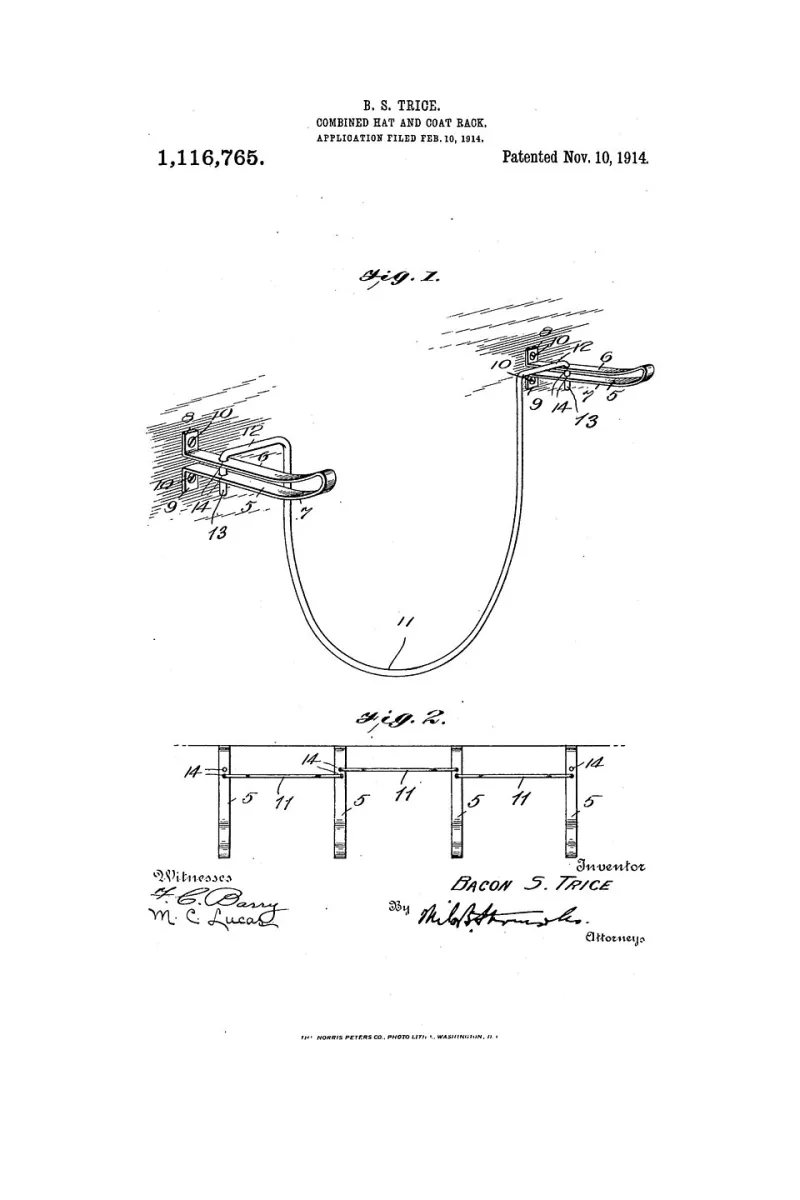
Photo: Trice, Bacon S, Public domain, via Wikimedia Commons
There's a moment, somewhere around 8:40pm on a wet Friday in November, when a Brighton gig either takes hold or quietly lets go. It has nothing to do with the band. It's the moment forty people arrive at once, hair dripping, coats over arms, and start scanning the room for a hook.
You can read a venue's whole attitude in that scan. By the door: a rail, a sign, maybe a person with a tub of numbered tags. Or nothing. Just wall. Then the slow spread of anoraks over chair backs, parkas draped on radiators, and somebody's good wool coat making friends with a puddle by the fire exit.
The economics of a soggy anorak
A pub gig in winter is a small numbers game. A hundred-capacity back room, a tenner on the door, a bar taking maybe six quid a head before the support has even finished. The margin lives in the second half of the night, when the room has warmed up and people go back to the bar.
A wet coat works against all of that. It's uncomfortable. It makes you check the time. It turns the idea of one more pint into a calculation about a damp twenty-minute walk home. Ask anyone who runs a seafront venue and you'll hear a version of the same sentence: the crowd that stays is the crowd that's dry.
And Brighton in November is a specific kind of wet. The wind coming off the front doesn't just soak you, it pushes you along the promenade and into the first doorway with a light on. If that doorway happens to have a rail, you're in for the night. If it doesn't, you'll drink one and drift.
Best in class: the rail by the door
The strongest setup I found this autumn wasn't a cloakroom at all. It was a hallway in a Kemptown pub, two metres of wall, a sturdy chrome rail bought second-hand, and forty wire hangers that looked like they'd been liberated from a department store closing-down sale. Free to use, staffed until ten, then self-serve with a handwritten sign that said "coats here, mind the radiator".
What made it work was the position. You couldn't get past it. You walked in, you saw the rail, you hung your coat up before you'd even clocked the stage. No decision to make, no queue, no faff. The landlord told me it cost him less than fifty pounds and about an hour with a drill. He reckons it's worth two extra pints per group on a wet night, which is a return you'd struggle to get from a new lager tap.
A close second, and a slightly flashier one, was a room off Madeira Drive with a proper numbered-tag system — the kind you get at a village hall. Clothes rail, plastic tags from a stationery shop in the North Laine, a smiling person on the door. It felt like being looked after. It also meant nobody was turfing coats off chairs at ten past nine, which is its own small mercy.
The hook bank: nearly there
Most venues sit in the middle. A length of timber screwed to the wall, a dozen double hooks, job done. It's cheap, it's quick, and it's roughly eighty per cent of the solution.
The problem is the missing twenty per cent. Hooks without hangers mean coats slide off, shoulders go out of shape, and the whole thing becomes a scrum. There's usually a puddle underneath because nobody thought to put a mat down. And there's rarely a shelf, so hats and scarves end up on the floor or, worse, on the pool table.
The fix is almost embarrassingly small: a shelf above the hooks, a pack of wire hangers, a drip tray from a garden centre. Twenty minutes with a screwdriver and you've turned a losing arrangement into a winning one. I watched a gig-goer at a pub near the Level spend a full two minutes wrestling with a hook bank before giving up and putting her coat back on. Two minutes is a long time in a room where the support act has already started.
The two worst arrangements on the seafront
We can be polite about this, but we all know what they are.
The chair-back is the classic. It works for one person and ruins the row behind. Coats slip, sleeves trail in drinks, and by the interval every seat in the house is a fabric sculpture. The floor is the other one — specifically the coat pile on the stage-left table, which looks charming until someone stands up and the whole lot goes over.
There's a special mention for the over-the-amp drape, which is a fire risk and a sound risk in equal measure. I've seen a sound engineer gently lift a parka off a monitor wedge mid-set with the sort of expression usually reserved for a wasp in a pint.
What door staff actually see
Mick has worked doors on and off along the front for a dozen years. He says the coat question comes within the first twenty seconds.
"People don't ask where the bar is," he told me. "They ask where they can put their coat. If you haven't got an answer, they hedge. They stand near the door with it over their arm. And if they're standing near the door, they're halfway out of it."
His venue installed a rail two winters ago after a run of quiet Fridays. It wasn't a marketing decision — it was a fire safety one, because coats were blocking an exit. The happy side effect was a fuller room.
The four-screw fix
If you run a small venue and you've read this far feeling seen, here's the practical version.
- Measure the wall between the door and the first table. Two metres is plenty for forty people.
- Buy a length of timber and ten double hooks from a hardware shop. Budget thirty to forty pounds.
- Add twenty wire hangers and a shelf above the rail for hats and scarves.
- Put a drip tray or a cheap mat underneath. This is the step everyone skips.
- Make it free and put a sign up. Charging a pound for a coat in a pub with a tenner door tax is a false economy.
- Staff it until ten if you can, then let people self-serve. Numbered tags help if you've got them.
The verdict
Ranked by how likely they are to keep you in the room for the second set: a staffed cloakroom is gold; a rail with hangers and a sign is silver; a hook bank with a shelf and a mat is bronze; a chair-back is tin; a pile on the floor is cardboard.
None of this is glamorous. It won't get a mention in the listings. But when the wind is coming off the sea and the rain is going sideways, a rail by the door is the difference between a room that thins out at the interval and one that's still singing along at half eleven.
It's the cheapest bit of gig promotion in Brighton. Somebody just needs to find the drill.