Door Time Is a Tide Time: Brighton's Seafront Gigs Learn to Read the Water
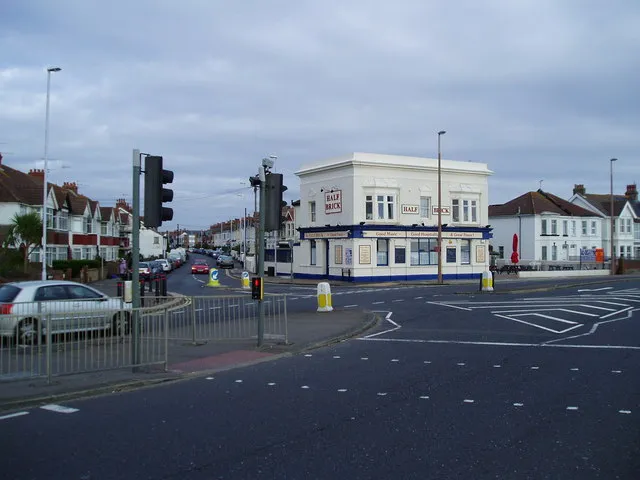
Photo: Peter Holmes, CC BY-SA 2.0, via Wikimedia Commons
There is a particular kind of Brighton gig where the first thing the landlord checks is not the band’s rider but the tide table. Not because the drum kit is going to float away, but because the sea is a production manager with strong opinions. It decides when the promenade gets noisy, when the doors have to be wedged differently, when the smoking crowd comes back in wet, and when a perfectly sensible load-in turns into a two-person operation involving a sack trolley and a lot of optimism.
This month, with the beach emptier and the wind doing its usual November thing, seafront pubs are leaning into that rhythm. The result is a set of gig nights that feel less like city-centre shows and more like small, weather-aware events. The tide is not a gimmick. It is the thing that makes the night work.
The sea gets a say in the door time
A pub with a front-room stage and a sea-facing door cannot pretend it is in a basement in Leeds. If high water lands around eight, the promenade can be a different place by half past. Spray over the arches, a wind that turns a cigarette break into an endurance test, and a queue that would rather stand sideways than straight on. Smart pubs build that into the door time. They open the room earlier, get people inside with a pint before the worst of it, and push the first band back just enough that the audience is settled rather than dripping.
For gig-goers, the practical tip is simple: check the tide before you check your route. A high tide at 7.30pm does not mean the gig is cancelled. It means the walk along the lower promenade might be a bad idea, the bus might be the better shout, and the pub might be fuller earlier than the poster suggests. Locals already do this without thinking. Visitors tend to learn it on the first wet trouser leg.
Soundcheck, with a side of salt air
Seafront soundchecks have their own quirks. The room may be small, but the building has opinions: old windows, thick walls, a door that whistles when the wind is from the south-west. Bands who play the front regularly learn to soundcheck with the doors closed, then open them briefly to hear what the room will actually do once the audience arrives. If the tide is high and the wind is up, the difference is not subtle.
Loading in is the other half of it. A promenade entrance can be a gift in July and a puzzle in November. Pubs that host music regularly tend to have a route worked out: which door, which corner, which bit of pavement is safe when the sea is throwing a strop. It is not glamorous. It is the reason the support act is not still carrying a bass cab through a crowd at 8.55pm.
The kitchen knows the tide too
The kitchen timing is where this gets genuinely useful. A high tide around doors often means people arrive earlier and stay put. Pubs that understand this will push the hot food early — chips, pies, the kind of plates that make a wet walk worthwhile — and keep something quick available after the set. A low tide around the same time can have the opposite effect: people drift along the front, arrive later, and want something fast rather than a full sit-down.
That is not a gimmick either. It is just good pub sense. If the room is going to fill at 7.15 because nobody wants to be outside, the kitchen should not be holding everything back for 8.30. And if the wind is going to send everyone back in at the interval, the last thing you want is a fryer that has already been turned off.
Routes in and out matter more than you think
Brighton is a walking city until it is not. On a calm night, the seafront is the best route to a gig: sea on one side, pub lights on the other, a bit of salt in the air. On a high-water, wind-in-your-teeth night, it is a different proposition. The smarter move is to come in from the back streets, use the bus, or aim for the nearest crossing point rather than the lowest bit of promenade.
Pubs that programme music through the winter tend to know this and plan for it. They put the door staff where the wind hits, keep the buggy and bike space clear, and do not expect anyone to stand outside in a T-shirt while a wave rearranges the pebbles. For visitors, the rule is: dress for the walk, not just the room. A seafront gig in November is a lovely thing, but it is not a tropical evening.
A short tide-led crawl
Start on the Hove side, where the front is a little wider and the walk feels less like a wind tunnel. Aim for an early door and an early plate, then move central as the tide turns. The middle stretch is where the pub gig rhythm is most obvious: small rooms, low stages, a crowd that arrives in waves rather than one big push. Finish towards Kemp Town if you want the night to keep going, but check the last bus before the encore. The sea does not care about your plans; the timetable does.
None of this is complicated. It is just a different way of reading a gig listing. The band matters, the pub matters, and so does the water. In Brighton, the tide is not background noise. It is part of the night.