The Ramp Is Not the Whole Night: A Brighton Gig Audit for the Bits After the Door
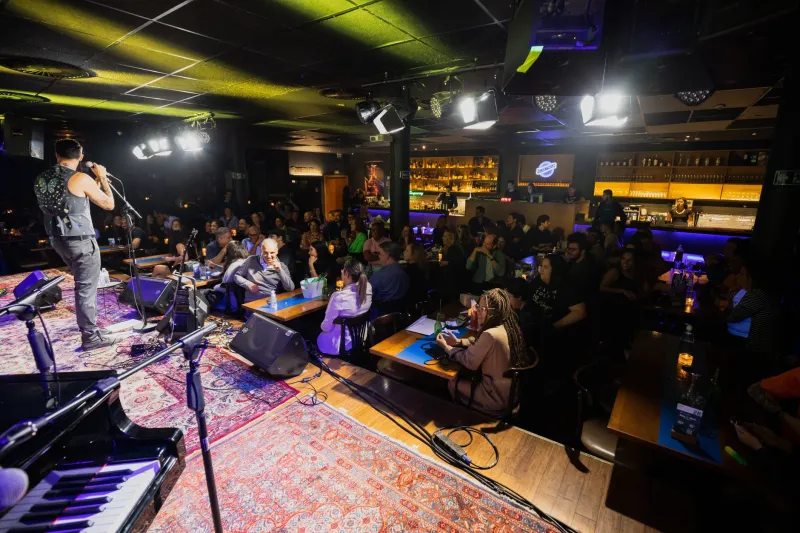
Brighton gig flyers are good at telling you who is on. They are less good at telling you whether the night actually works once you are through the door. A step-free entrance is a start, but it is not a whole night out. The accessible loo might be locked, with the key behind a bar that is three deep. The only sightline might be through a forest of shoulders. The menu might be a chalkboard in tiny cursive under a warm bulb. And the quiet corner might turn out to be the smoking yard just as the encore kicks in.
That gap between the flyer and the floor is what a small group of disabled gig-goers in Brighton have been mapping. Not as a boycott list. Not as a gold star for a ramp, either. More as a full-night checklist that starts at the pavement and ends when you get back on the bus.
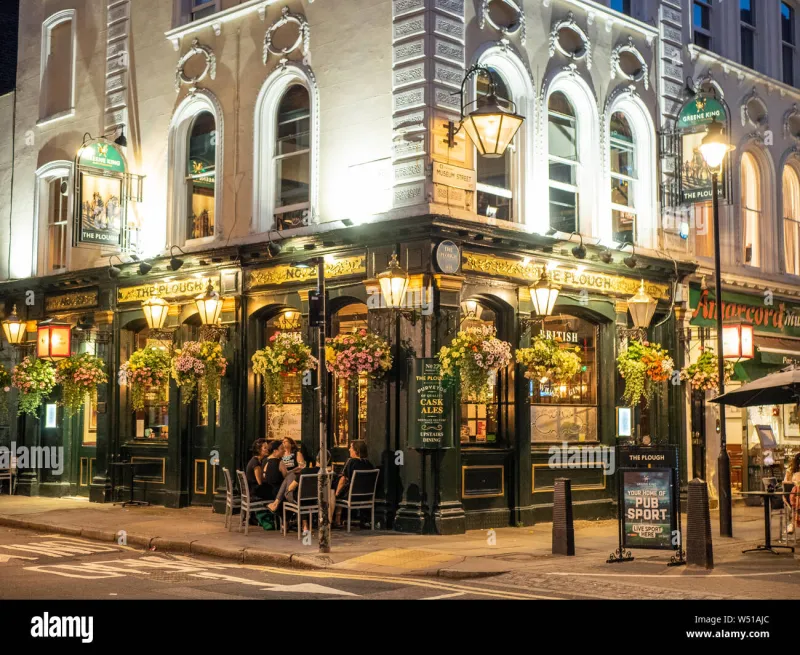
In November 2026, with the seafront in that grey, salty mood it does so well, I took their checklist around five pubs: two on the front, one off Western Road, one in the North Laine and one near the station. I am not naming them here. Access details move with furniture, staffing and a new door wedge. The questions are the useful bit. The answers need rechecking.
The ramp is the easy bit
Everyone notices the ramp. It is visible from the street, it photographs well, and it makes a venue feel welcoming before you have even ordered. But a ramp only gets you to the room. It does not tell you whether the accessible loo is on the same level, whether the accessible seating has been colonised by a pushchair park, or whether the bar queue leaves a clear route to the stage.
One gig-goer I spoke to put it neatly: “I can get in almost anywhere. The question is whether I can stay.” That means somewhere to sit that is not an afterthought, a loo that does not require a member of staff to abandon the till, and a route out that does not involve asking six people to move their coats.
The audit, then, is less about one symbolic feature and more about the whole chain. Pavement. Door. Floor. Loo. Sightline. Menu. Volume. Exit. If one link snaps, the night gets shorter.
Five checks that belong on the listing
Entry and floor. Step-free is the headline, but flat is not the same as easy. A lip at the door, a loose mat or a lipstick-red bucket of ice can undo a good ramp. The useful listing line is not just “step-free entry” but “step-free from pavement to bar, stage and accessible loo.”
The loo. This is the one that decides whether a second pint is possible. An accessible cubicle that is used as a storage cupboard, or one with a radar key kept behind the bar, changes the night. Publish where it is and whether it is on the same level.
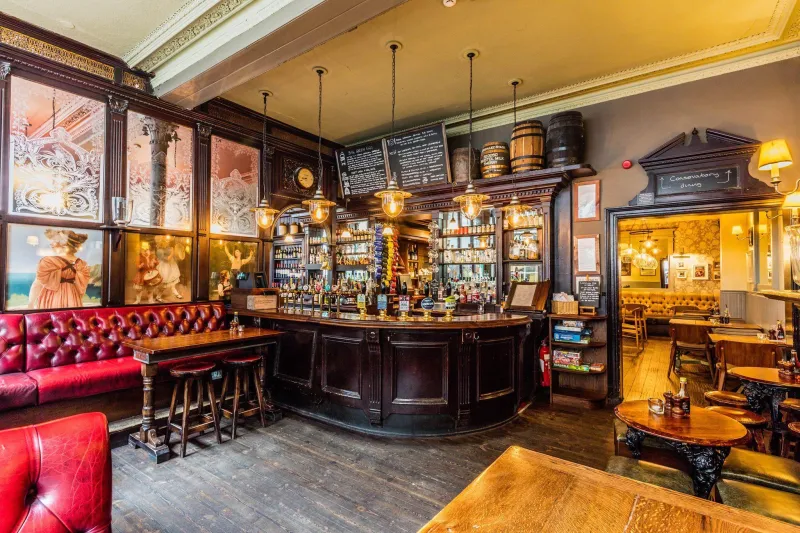
Sightlines. Seated sightlines matter as much as standing ones. A low stage, a pillar and a busy route to the bar can mean the difference between watching a band and watching the back of a stranger’s head. A raised area is only useful if it is kept clear and reachable.
Menu readability. This sounds small until you are squinting at a chalkboard in a dark corner while the support act tunes up. A paper menu, a QR code that works, or staff who can read the specials aloud is not a luxury. It is basic service, the same as knowing what is on draught.
A quiet corner. Not every gig-goer wants to stand by the speakers all night. Sensory overload is real, and a pub can help by naming a quieter spot — a back room, a snug, a corridor bench — and saying whether it is available during the set. It does not need to be glamorous. It needs to be findable.
What five Brighton nights showed
The seafront pub with the blackened brick had the best view and the least useful information. The entry was flat, the staff were kind, and the accessible loo existed — but only after a tour through a back corridor that was half storage. It would take one sentence on the gig listing to save that conversation.
The second seafront venue had done the harder work: a clear route, a proper loo, and a member of staff who knew where the spare chair was. The weak point was the sightline. A table of drinkers had settled right in front of the only low-level viewing spot. Nobody was being difficult. The room simply had no plan for keeping that space open.
The pub off Western Road scored well on food and badly on light. The menu was a work of art in a font that required a phone torch. The kitchen was happy to help when asked, but “when asked” is the bit that leaves people out. Print a few large-print copies, put them by the till, and the problem disappears.
The North Laine venue had the opposite problem: bright enough to read, but loud enough that the quiet corner was theoretical. The snug was being used for a birthday. Fine. But the listing could have said the snug was booked, so nobody made the trip expecting refuge.
The pub near the station got the closest to a full pass. Step-free entry, a loo on the same level, a clear route to the side of the stage and a menu that staff were happy to talk through. It was not perfect — the accessible seating was a stool with a wobbly leg — but it was honest, and the fixes were obvious.
Publish it before the first chord
The ask is not a glossy accessibility page with a photo of a ramp and a link to an email address nobody monitors. It is five lines on the gig listing. Entry. Loo. Seating and sightlines. Food and menu format. Quiet space. Plus a named contact for questions, because sometimes the answer is “yes, ring us and we’ll keep a table free.”
Brighton pubs are good at the informal stuff. They know their regulars, they know which table wobbles, and they know when the back room is about to be taken over by a birthday. The next step is writing some of that down before the first chord, rather than explaining it after the first complaint.
A good night out is not one feature. It is a series of small, unglamorous details holding hands. The ramp matters. So does the loo, the light, the chair, the quiet corner and the sentence on the flyer that tells you they exist.