A Pint, a Pause, a Poem: Brighton's Back-Room Verse Nights Find Their Voice
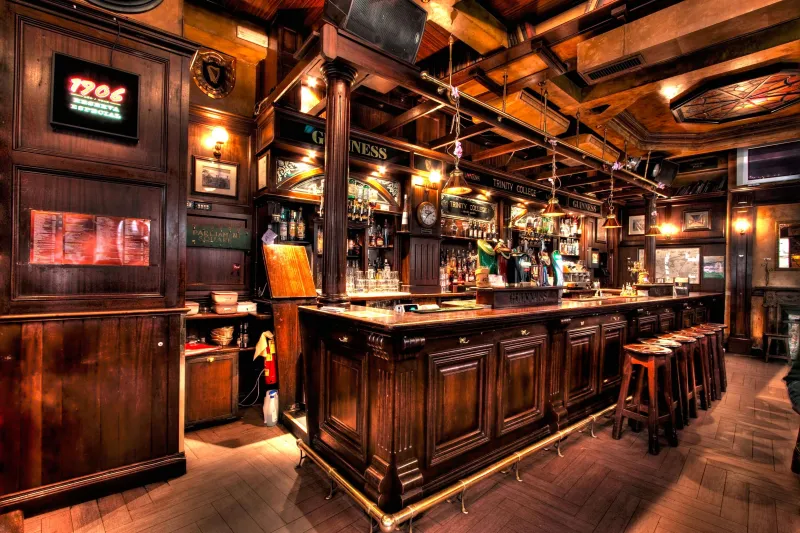
Photo: pub poetry night chalkboard microphone back room audience, via i.pinimg.com
The first thing you notice is the chalkboard. It is propped on an easel near the door, half in the light of the fruit machine, and it says: 'Poetry. Upstairs. 8.30. Free, but pass the hat.' The handwriting is not neat. There is a drawing of a pint glass next to the word 'poetry', which feels about right.
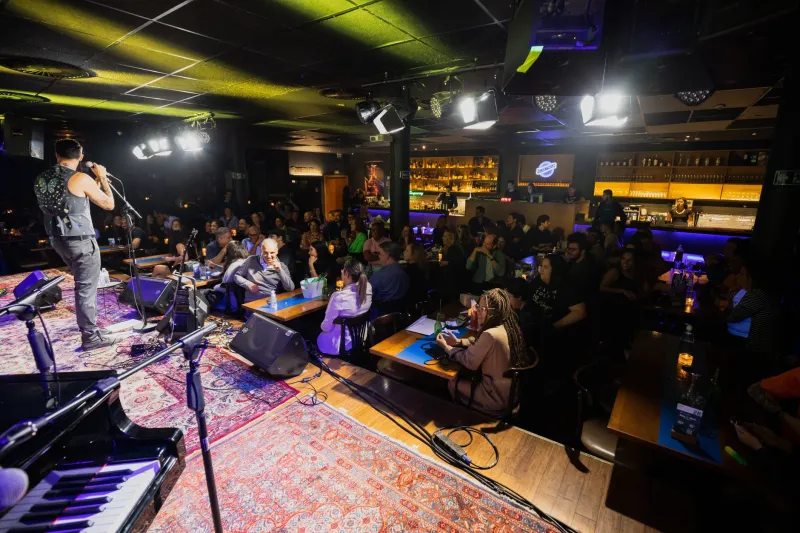
This is not a literary venue. It is a pub. The carpet is the colour of a wet November afternoon, the bar is doing a steady trade in pale ale and crisps, and the kitchen is still serving food until nine. And yet, by half eight, twenty-five people will have squeezed into the back room to listen to other people read poems.
Brighton has a long spoken-word history, but the formal venues have never been the whole story. The best poetry nights in this city are not in theatres or arts centres. They are in the rooms above saloon bars, the corners of back rooms, the spaces that smell faintly of yesterday's chips and this morning's cleaning fluid. They are the seafront's new late licence, not in the legal sense, but in the cultural one: permission to stay out on a Tuesday and listen to something that is not a band.
The Room Above the Saloon Bar
A good poetry night needs three things: a room that is small enough to feel full, a host who can read the room, and a bar that is close enough to be useful without being a distraction. The Great Eastern has all three. So does the Caxton Arms. The Bee's Mouth works because the back room is the size of a large living room and the audience is close enough to see the poet's hands shake.
The formal literary venue has its place. It has better lighting, a proper stage, a microphone that works. But it also has a certain expectation: that you will sit still, be quiet and clap in the right places. A pub does not ask that. A pub says: you can get up and go to the bar. You can laugh. You can leave if it is not for you. That freedom makes the room more honest.
Why the Chalkboard Beats the Lectern
The best nights are the ones that feel slightly provisional. A chalkboard instead of a printed programme. A host with a clipboard and a pint. A setlist that changes because someone has dropped out and someone else has turned up. This is not disorganisation; it is a kind of hospitality. It says: we are making this together, in this room, tonight.
The worst nights are the ones that try to recreate a literary festival in a pub back room. A lectern. A sign-up sheet with a thirty-minute slot. A host who introduces every poet with a biography. None of this is necessary. A pub is not a conference. It is a room with a bar and a landlord who wants you to have a nice time.
The Kitchen Window Timetable
The other thing a good poetry night understands is the kitchen. Food service in most Brighton pubs runs until nine, sometimes nine-thirty. A poetry night that starts at eight will compete with the clatter of cutlery and the smell of burgers. A poetry night that starts at eight-thirty, after the kitchen has closed, will have a quieter room and a more attentive audience.
The best nights build in a break. First half at eight-thirty, break at nine-fifteen, second half at nine-thirty. That gives people time to get a drink, go to the loo, and decide whether to stay. It also gives the kitchen time to finish up and the bar staff time to catch their breath. By ten-fifteen, the room is warm, the audience is settled, and the last poet can read without competing with the glasswasher.
Four Nights Worth Your Tenner
Verse at the Eastern at The Great Eastern. First Tuesday of the month, upstairs, free entry with a passing of the hat. The room is small, the beer is good, and the host has a knack for putting a first-timer on before the interval, when the audience is still fresh.
Back Room Ballads at The Caxton Arms. Alternate Wednesdays, downstairs in the back room, £3 on the door. A mix of page poets and performers, with a short open-mic slot before the featured reader. The kitchen does a good bowl of chips.
Mouthful at The Bee's Mouth. Sunday early evening, 7pm, which sounds wrong for poetry but works. The roast is finished, the room is quiet, and the light is nice. Entry is free; the hat goes round at the end.
Quiet Riot at The Rose Hill. Thursday nights, £5, with a different host each month. The most experimental of the four, and the one most likely to have a poet reading from a phone because they forgot their notebook.
The Case Against the Microphone
The best poem I heard this year was delivered without a microphone, to a room of twenty-two people, while a dishwasher hummed in the kitchen. The poet stood at the front, put their hands in their pockets, and said the first line quietly enough that everyone leaned forward. That lean is the whole point. A microphone can make a room passive. A quiet voice makes it active.
This is not an argument against amplification. Some poets need it, some rooms need it, and some poems are better loud. But the default should be the voice. A pub back room is not a concert hall. It is a room with a low ceiling and soft furnishings. If you cannot be heard without a mic, the answer is not more volume; it is a smaller room and a quieter audience.
The Late Licence
The late licence is not a piece of paper. It is the permission a pub gives a room to stay open a bit longer for something other than drinking. It is the landlady who says yes to a Tuesday night when the till will not make much. It is the kitchen that closes early so the poets can be heard. It is the audience that chooses to listen instead of shouting over the music.
Brighton has plenty of stages. What it needs more of is rooms. The poetry nights in the back rooms of seafront pubs are not a substitute for the formal literary venue. They are something else: a second stage, a quieter crowd, a pint and a pause. Go on a Tuesday. Put a fiver in the hat. Stay for the second half. You might be surprised by what you hear.