Small Change, Long Night: What Really Lands in a Brighton Pub Gig Tip Jar
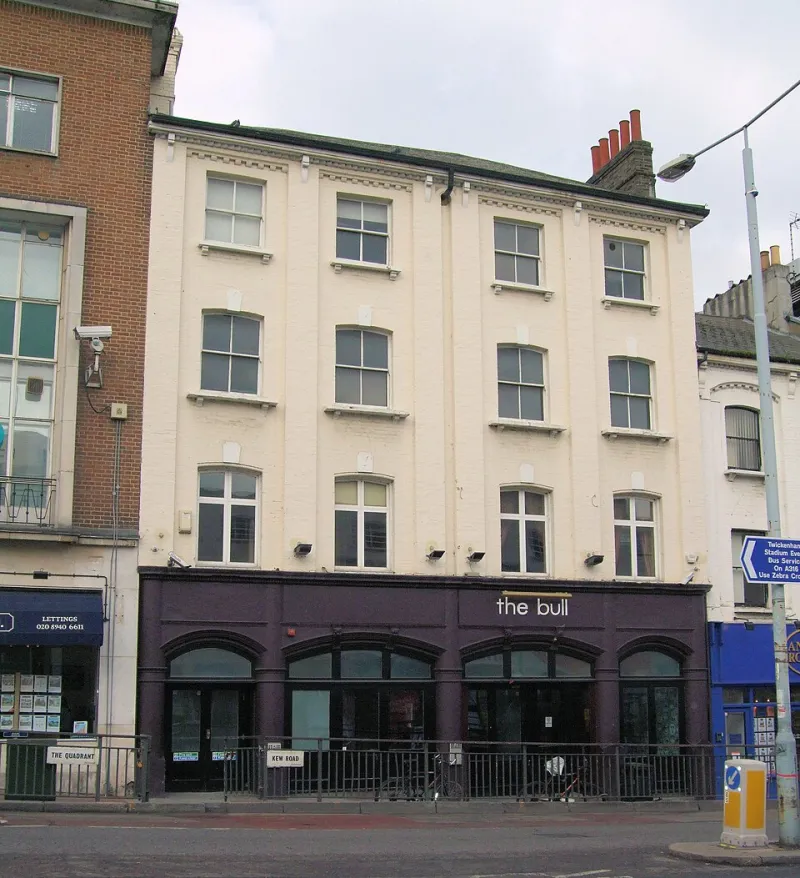
Photo: Jim Linwood from London, CC BY 2.0, via Wikimedia Commons
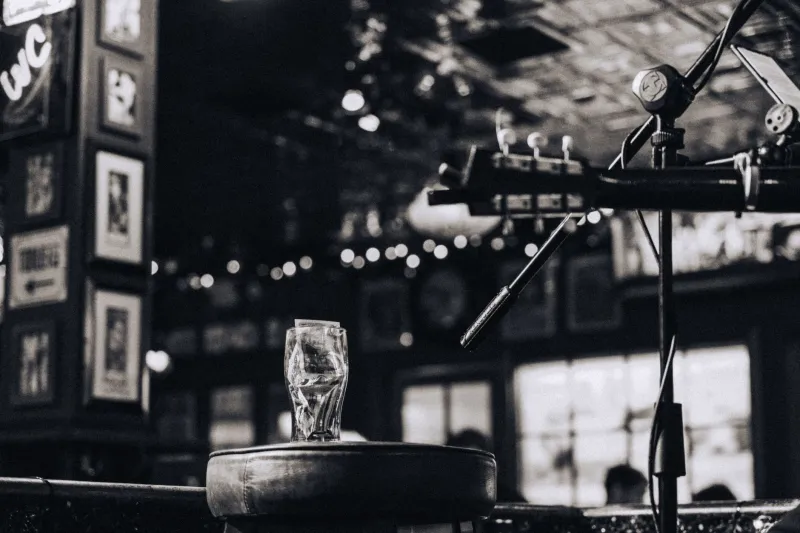
The jar sits on the corner of the amp, a battered pint glass with a strip of gaffer tape across the top and a hand-written label that has long since given up being legible. By the second set it is a small weather system: coins at the bottom, a folded fiver stuck to the side, a card-reader QR code taped to the merch table three feet away. In a Brighton pub, this is not a novelty. It is the payroll.
The Jar on the Amp: A Seafront Ritual
Pub gigs along the front and in the back streets behind it run on a different arithmetic to a ticketed venue. The door might be a fiver. The band might be three people with a van borrowed for the night. The PA might belong to the landlord. The tip jar is the bit that fills the gap between what the night costs and what it returns, and everyone in the room knows it.
“You can feel the difference between a crowd that has come to watch and a crowd that has come for a pint and got lucky,” says Rosa, a guitarist who plays a handful of seafront rooms each month. “The ones who came to watch tip before the set. The ones who got lucky tip on the way out, if the last song lands.”
That distinction matters more than it sounds. A tip jar is not just a receptacle for spare change. It is a live read on whether the room has decided to be a gig or a pub night with background music. Brighton audiences are generous, but they are also specific. They tip when the band has done the work of turning a room.
What Actually Lands: Coins, Cards and the Quiet Fiver
Over a run of November gigs, the contents of a typical jar are stubbornly consistent. Coins dominate: pound coins, fifty-pence pieces, the occasional cluster of tenners that suggests someone has emptied a pocket rather than made a decision. Notes are rarer but more memorable. A folded fiver pressed into a hand at the end of the night is a different gesture to a handful of shrapnel dropped in during the break.
Then there is the card reader. More pubs now leave a QR code on the merch table or taped to the jar itself, and the money that arrives that way tends to be larger and less visible. “You don’t see it land,” says Mick, who runs a pub a few streets back from Madeira Drive. “You just get a notification at midnight saying someone has sent a tenner with a little guitar emoji. It’s a strange way to be paid, but it works.”
Merch is the other quiet earner. A table with a few CDs, a run of T-shirts and a handwritten sign saying “cash or card” can outperform the jar on a good night, especially when the band has a crowd that has followed them from another venue. But merch is not tips. It is a separate transaction, and musicians are careful to say so. The jar is for the night. The merch table is for the year.
How It Splits: Gas Money, Merch and the Landlord’s Cut
The unwritten rule in most Brighton pub gigs is that the tip jar belongs to the band. The door money might be split with the sound engineer or used to cover the PA. The bar take goes to the landlord. The jar is the bit that gets divided in the van on the way home, and the division is rarely formal.
“We do it on the basis of who did the driving and who bought the strings,” Rosa says. “It’s not a wage. It’s a contribution.”
Some venues take a cut of merch sales. Some don’t. Some landlords will quietly add a round of drinks to the band’s tab and call it even. The variation is part of the ecosystem. A pub that takes a percentage of the jar is rare, and the ones that do tend to be upfront about it before the band loads in. The ones that don’t are the reason the system still works.
The Etiquette of the Whip-Round
The post-set whip-round is the most delicate part of the night. It happens after the last song, when the lights come up and the room has not yet decided whether to leave. Someone in the crowd — often a regular, often the person who has been standing nearest the stage — starts moving between tables with a pint glass or a hat. The band pretends not to notice. The audience pretends it is not a collection. It is the most Brighton thing imaginable: a social form so gentle it barely admits to being one.
The etiquette is simple. If the door was a fiver, you have already paid. If the band played for that fiver, you tip. If the band played for free, you tip more. If you bought a T-shirt, you have done your bit. If you did none of those things and you stayed for the whole set, you put something in the jar on the way out. Nobody counts. Everybody knows.
Why Generosity Is a Seafront Currency
Brighton’s small stages survive on a mix of stubbornness and generosity. The ticket price rarely covers the true cost of a night, and the tip jar is the mechanism that closes the gap without turning a pub gig into a formal transaction. It is not a tip in the restaurant sense. It is a contribution to the idea that a room can be a venue for an evening.
The next time you are standing near the amp with a pint in your hand, look at the jar. It is not asking for much. It is asking whether you want the night to happen again next month. In Brighton, that is a question worth answering.