Towel in the Door Gap, Amp on a Crate: The Backstage Weather Work Behind a Winter Friday Gig
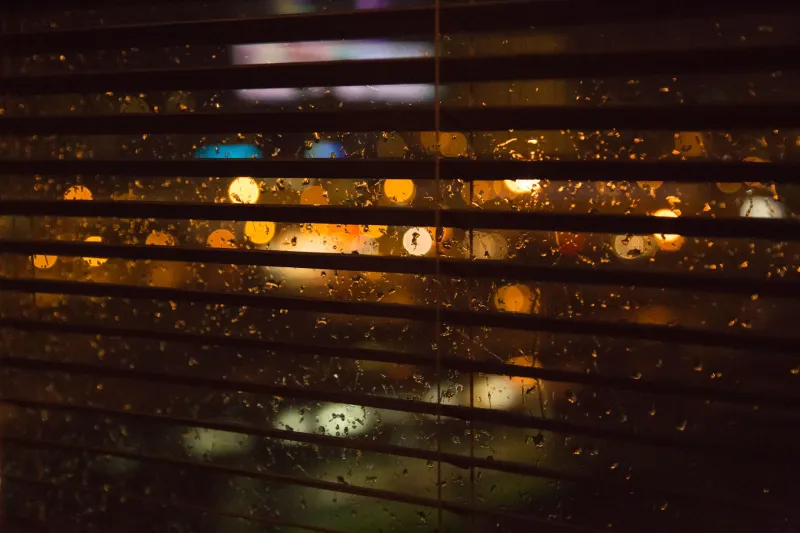
It is twenty to five on a Friday in November and the promenade is doing that thing where the rain arrives sideways, in bursts, like it is being thrown. Inside, the lights are on, the fryer is up to temperature, and a man called Sam is on his hands and knees in the doorway of the back room with a towel, folding it lengthways and pressing it into the gap under the fire door.
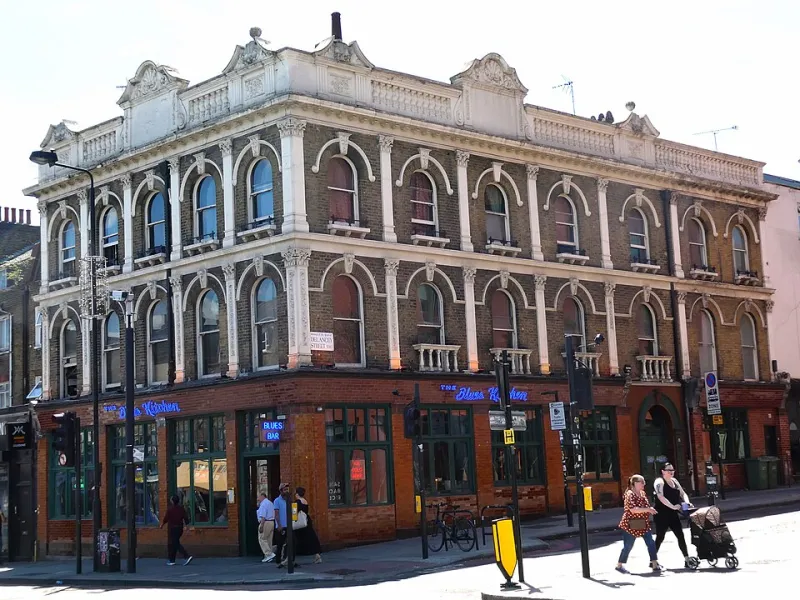
Sam runs a pub between the pier and Kemp Town, one of maybe a dozen along this stretch that still puts live music on through the winter. 'People think the gig starts at nine,' he says, standing up and testing the door for draught. 'It starts at three, when I walk round and work out which way the wind is going.'
That walk-round is the whole article, really. Everything else — the band, the beer, the slightly emotional encore — is the easy part.
The building has bad habits, and you learn them
Seafront pubs are old, and old buildings have opinions. There is the door that never quite shuts. The window that rattles at a certain pitch. The corner where water pools if the wind comes from the south-west, because the drain outside is a centimetre lower than it ought to be and nobody is going to dig up the promenade to fix it.
'You learn the bad habits,' Sam says. 'I know that if it's blowing a hoolie from the west, the front doors have to stay shut from about six, or every glass on the bar gets a fine layer of salt on it. Which sounds romantic until someone sends back a pint.'
Shutting the doors changes everything else. The room gets warmer, the crowd gets tighter, the ventilation gets worse, and the condensation starts running down the inside of the windows by half nine. So out come the towels. Also the squeegee, the 'wet floor' signs, and a stack of those cardboard drinks mats that nobody uses for drinks.
Salt air is the quiet enemy of a decent soundcheck
Nadia has been engineering in Brighton venues for over a decade, and she describes a seafront room, without much affection, as 'an outdoor gig with a roof on it and a chip fryer attached'.
The problems are small and relentless. Jack plugs fur up. XLR pins go dull and crackly. Guitar strings go off before the second set because the humidity has changed by fifteen per cent since soundcheck. Sliders on an old desk get sticky, and a microphone left on a stand near a propped-open door will pick up the sea in a low, breathy rumble that sounds like the room is haunted.
Her kit box is not glamorous: contact cleaner, a bag of silica sachets, spare cables, cable ties, black bin bags, two towels, a roll of gaffer tape and a small bottle of spray-and-wipe. 'The bin bags go over the amps at the end of the night,' she says. 'Not because of rain coming in. Because of the salt settling. You come back on Tuesday and every knob on the desk has gone gritty.'
The practical fixes are the same everywhere. Raise the amps on crates or beer mats so they are off a floor that will get damp. Angle the pa so it is not firing straight at a door that opens forty times a night. Put windscreens on the vocal mics. Keep the desk covered between sets. Tape the loose cable that somebody will otherwise trip over at eleven o'clock with a full pint in each hand.
'People ask if the salt air ruins the gear,' Nadia says. 'It does. But it ruins the cheap gear faster, so you buy one decent thing a year and you look after it like a pet.'
The tide table is part of the running order
There is a laminated printout behind the bar in more than one pub along the front, and it is not a beer list. It is the tide table for Shoreham and Brighton, printed monthly, with the big spring tides circled in biro.
A high tide with a stiff onshore wind is the one that gets you. Not flooding — that is rare — but the spray coming over the prom, the shingle shifting, and the sheer number of people who decide at ten past nine that they would rather be somewhere with a bus stop. On those nights the doors stay shut, which means the room gets hotter and damper, which means the sound drifts and the towels come out again.
'We've moved a headline slot by forty minutes because of a spring tide,' Sam says, slightly proudly. 'Not often. But it happens. You watch the water, you watch the door, and you make a call.'
There is a version of this where the whole thing is a charming quirk. It is not, quite. It is a running calculation about how many people will brave the front, how much the room can take, and whether the band would rather play to forty people at nine or sixty at half nine.
The last train writes the setlist
Ask a Brighton promoter what shapes a Friday set more than anything else and they will not say the crowd. They will say the railway.
A pub gig that runs to eleven forty-five is a gig where a good chunk of the audience is watching the clock, not the band. So the running order gets built backwards: last train at twenty past eleven, so the encore has to be done by twenty-five past ten, so the support goes on at eight sharp, so the doors are at seven, so the load-in is at half four.
'You can always tell an experienced band,' Nadia says. 'They ask what time the last train is before they ask what the pa is.'
What you can do, as a paying punter
Most of the weather work is invisible, which is the point. But there are small things that genuinely help.
Don't prop the doors open because you're warm. Hang your coat on the radiator rather than the amp. Don't rest a pint on the edge of the stage or, worse, on top of the bass cab. If you're at the front for the quiet song, stand back from the mic stand — a hand brushing a stand mid-verse is a sound that no engineer can fix. And when the band finishes, take your glass back. The person who has to clear the room at half eleven is the same person who was folding a towel into a door gap at four.
The romance is the result, not the work
By half ten the towels have been kicked into a corner, the windows have fogged, the band has done the song everyone wanted, and the last train crowd is pulling coats on. It looks effortless. It is supposed to.
Sam does one more lap of the room with a cloth, wipes the ledge by the front window, and starts moving the crates back under the amps for tomorrow. 'Best job in town,' he says, meaning it. 'Just nobody tells you it's mostly about doors.'